

Does Vitamin B3 Help Prevent Skin Cancer? What the Evidence Shows
A patient reads that a cheap vitamin from the chemist cuts skin cancer risk, and brings the question to their next appointment. It is a fair question, and there is real Australian research behind it. The answer is just more specific than the headlines suggest.
This article covers what nicotinamide is, what the research actually found, who the findings apply to, and where a supplement sits alongside sun protection and regular skin checks.
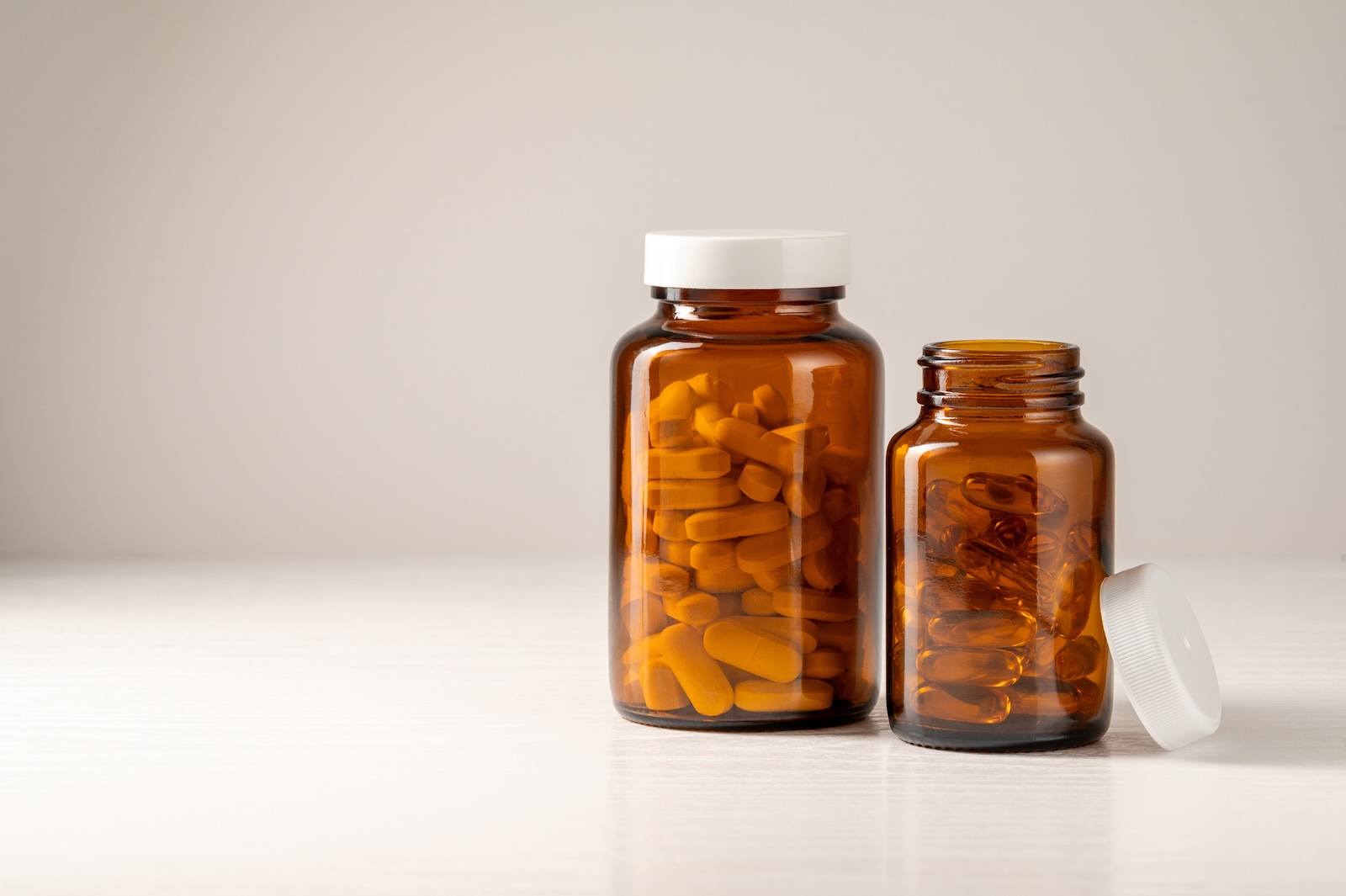
What Is Nicotinamide, and How Does It Differ From Niacin?
Vitamin B3 comes in two forms, and the difference matters when you are standing in a pharmacy aisle.
Niacin, also called nicotinic acid, is the form used in higher doses to manage cholesterol. It causes flushing, headache and a rise in blood pressure in many people. Nicotinamide, also called niacinamide, is the amide form. It does not cause flushing and it is the form used in the skin cancer research.
UV radiation does two things to skin cells. It damages DNA, and it drains the cellular energy those cells need to repair that damage. It also suppresses the local immune response in the skin, which is part of how abnormal cells escape detection. Nicotinamide helps restore the cellular energy used in DNA repair and reduces UV-induced immune suppression in the skin. It does not block UV, and it is not a sunscreen.
| Form | What it is | Relevance to skin cancer |
|---|---|---|
| Niacin (nicotinic acid) | The acid form of vitamin B3, used at high doses for cholesterol | Not the form used in skin cancer research. Causes flushing at the doses studied. |
| Nicotinamide (oral) | The amide form, sold over the counter as 500mg tablets | The form tested in the ONTRAC trial at 500mg twice daily |
| Niacinamide (topical) | The same molecule in serums and moisturisers, usually at 2 to 10 per cent | Used for skin barrier and pigmentation. No evidence it prevents skin cancer. |
What the ONTRAC Trial Actually Found
The main evidence comes from ONTRAC, the Oral Nicotinamide to Reduce Actinic Cancer trial, run through the University of Sydney and published in the New England Journal of Medicine (Chen et al., 2015).
How the trial was run
- 386 participants, all of whom had at least two non-melanoma skin cancers in the previous five years
- Randomised to either 500mg nicotinamide twice daily or an identical placebo
- Treatment ran for 12 months, with skin examinations every three months
What it found
- A 23 per cent lower rate of new non-melanoma skin cancers in the nicotinamide group compared with placebo
- Fewer actinic keratoses, the precancerous scaly patches that can progress to squamous cell carcinoma, at around 13 per cent lower after 12 months
- No meaningful difference in side effects between the nicotinamide group and the placebo group
For someone having lesions frozen or cut out every few months, a 23 per cent reduction in the rate of new ones is worth having. It is worth reading that figure precisely, though. It is a reduction in rate, not protection. Participants taking nicotinamide still developed skin cancers during the trial.
What Vitamin B3 Does Not Do
The gap between what the research showed and what people take from a headline is where most of the confusion sits.
- It has not been shown to prevent melanoma. ONTRAC measured basal cell and squamous cell carcinoma. Melanoma prevention was not demonstrated, and nicotinamide should not be relied on for it.
- The benefit does not carry on after you stop. Rates of new skin cancers moved back towards baseline once participants stopped taking the tablets, which means the protective effect lasts only as long as the treatment does.
- It has not worked in every group tested. The ONTRANS trial used the same 500mg twice daily dose in solid organ transplant recipients, a group at very high risk, and did not find a significant reduction in new keratinocyte cancers (Allen et al., 2023).
- There is no evidence for the general population. Every participant in ONTRAC had a history of multiple skin cancers. The findings say nothing about someone with healthy, low-risk skin taking it as a precaution.
- Topical niacinamide is a different question. The niacinamide in serums and moisturisers has useful effects on the skin barrier and on pigmentation. It has not been shown to reduce skin cancer risk.
Who Might Benefit From Nicotinamide?
Based on the evidence, nicotinamide is most relevant for people who already sit in a high-risk group:
- Anyone who has had two or more non-melanoma skin cancers in the past five years
- People with numerous actinic keratoses and significant sun damage
- People having repeated treatments for basal cell or squamous cell carcinoma
The dose used in the research is 500mg of nicotinamide taken twice daily. That is not the same as a standard multivitamin or a B-complex tablet, which usually contains a much smaller amount, and it is not niacin. Nicotinamide is available over the counter in Australia without a prescription.
There are still reasons to raise it with a doctor first. Nicotinamide can interact with some medications, and caution applies in people with liver or kidney disease. It is not recommended during pregnancy or breastfeeding without medical advice. A short conversation at your next appointment settles whether it makes sense in your case.
Why Skin Checks Still Matter More Than Any Supplement
A lower rate of new lesions does not change what happens when one does appear. Outcome depends almost entirely on how early a skin cancer is found.
Melanoma detected while it is still confined to the skin has a five-year survival rate of around 98 per cent, according to the Australian Institute of Health and Welfare. That figure falls substantially once the cancer has spread. Basal cell and squamous cell carcinomas are highly treatable early and cause far more damage when they are left for years. No supplement moves those numbers. Detection does.
Sun protection works the same way. Nicotinamide sits alongside sunscreen, protective clothing, a hat and shade during peak UV hours. It does not replace any of them.
Getting a Straight Answer for Your Own Skin
Whether nicotinamide is worth taking depends on how much sun damage you already carry and how many skin cancers you have had. That is a question for a doctor who has looked at your skin, not one to settle from an article.
At Knox GP, Dr Paul Sabeti and Dr Monirul Khan hold a special interest in skin cancer medicine and perform full-body skin checks. If prevention is on your mind, a skin check is the appointment where that conversation makes sense, because the advice changes depending on what your skin actually shows.
The initial check is bulk-billed for all patients with a valid Medicare card, with no out-of-pocket cost regardless of concession status. The appointment takes around 15 to 30 minutes. No referral is needed.
Book a bulk-billed skin cancer check at Knox GP online or call the clinic on 03 9100 3130. The clinic is at 538 Mountain Highway, Bayswater.
Scalp Skin Cancer: Common Questions
References
- Chen, A.C., Martin, A.J., Choy, B., et al. (2015). A Phase 3 Randomized Trial of Nicotinamide for Skin-Cancer Chemoprevention. New England Journal of Medicine, 373(17), 1618-1626.
- Allen, N.C., Martin, A.J., Snaidr, V.A., et al. (2023). Nicotinamide for Skin-Cancer Chemoprevention in Transplant Recipients. New England Journal of Medicine, 388(9), 804-812.
- Australian Institute of Health and Welfare. Cancer data in Australia. aihw.gov.au
- Cancer Council Australia. Skin cancer statistics and issues. cancer.org.au

